
Key Takeaways
- A pre-listing inspection lets a Scottsdale seller see likely buyer-inspector findings early enough to repair, price around, or disclose them before the home ever hits the market
- North Scottsdale homes near Silverleaf and Troon often need extra attention to flat-roof drainage and desert grading, while south Scottsdale properties near McCormick Ranch can carry older wiring and historic moisture issues
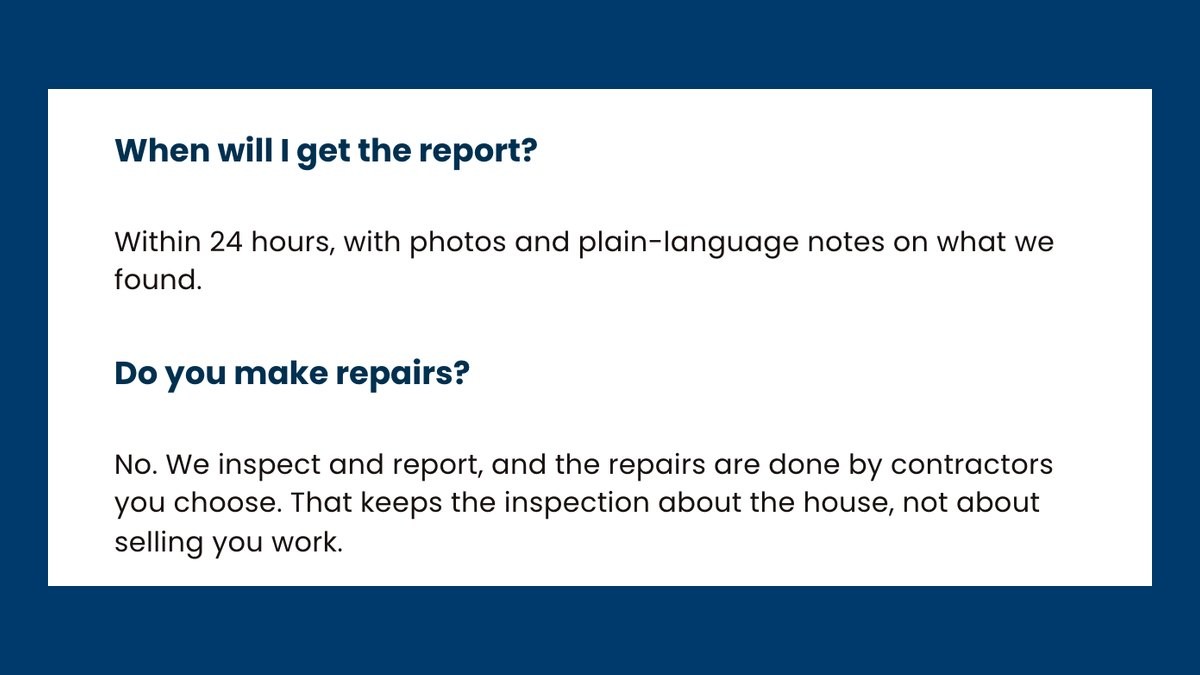
- A thorough inspection of a typical Valley home takes about 2 to 4 hours, and a detailed digital report with photos typically follows within 24 hours
- Clearing access to the electrical panel, attic, and HVAC equipment ahead of time helps the inspection move smoothly and keeps the report accurate
- Desert State Home Inspections has completed more than 25,000 inspections across Maricopa County since 1999, giving sellers a seasoned eye on what Scottsdale homes tend to reveal
Listing a home in Scottsdale means an unknown buyer will eventually hire an inspector to walk through every closet, attic hatch, and electrical panel. Scheduling that same kind of walkthrough before the home goes live gives a seller the one thing a buyer’s inspection never offers: time. Time to decide what gets fixed, what gets priced into the deal, and what simply needs to be disclosed upfront.
See What Buyers Will Find First
A home does not change between the day it is listed and the day a buyer’s inspector shows up with a flashlight and a camera. The roof is the same roof. The electrical panel is the same panel. What changes is who discovers the issues first and how much advantage that discovery creates.
A pre-listing inspection puts the seller in that first-discovery seat. Instead of learning about a worn water heater or a loose attic duct connection in the middle of a closing timeline, a seller can review the same findings weeks earlier, while there is still room to make a plan. Seller pre-listing inspections are built around that kind of head start, giving Scottsdale homeowners a clear look at the property through the same lens a buyer’s inspector will eventually use.
Why Inspect Before You List
Selling a house already comes with enough moving pieces: staging, photography, pricing strategy, showings. Adding an inspection to that list might sound like one more task, but it tends to simplify everything else. Once a seller knows the exact condition of the roof, systems, and structure, every other decision about pricing and marketing gets easier to make with confidence.
Choose Repairs, Price, or Disclosure
Finding an issue does not mean a seller is obligated to fix it. A pre-listing report lays out the facts, and the seller decides what to do with them. Sellers can repair an issue before listing, gather contractor estimates, offer a credit at closing, or adjust the asking price, since an inspection report itself does not require any repairs to be made.
That flexibility matters because not every fix makes financial sense before a sale. A cracked slab tile might be worth patching. An aging HVAC condenser might be better reflected in the price than replaced outright. The choice generally comes down to three paths: repair smaller issues, price the home to reflect larger ones, or disclose the condition clearly to potential buyers. Having the findings in hand before listing day means that choice gets made deliberately, not under pressure.
Reduce Late Surprises at the Table
Nothing slows down a sale like a surprise that shows up during the buyer’s inspection period. A failing roof, outdated electrical panel, or hidden plumbing issue discovered late in escrow can lead to renegotiation, delay, or a buyer walking away entirely. Addressing repairs before the home is even offered for sale cuts down on exactly these kinds of late-stage shocks.
Some of the most common finds are small but still worth catching early. A drip under a bathroom sink, a loose faucet, or a rocking toilet rarely derail a sale on their own, but a buyer’s inspector will note every one of them. Taking care of a handful of minor items ahead of time can shape how the entire report reads to a buyer later on.
What Gets Checked
A pre-listing inspection generally mirrors what a buyer’s inspector will look at later, which is the point. The scope covers major systems and components such as heating and cooling, electrical, plumbing, structure, roof, interior, and exterior.
Roof, Attic and Structure
The roof and attic tend to reveal a lot about a home’s overall condition, since both take the brunt of Arizona’s heat and monsoon storms. Inspectors look for missing or damaged roofing material, signs of past leaks, insulation levels, and ventilation that keeps attic temperatures manageable. Structural elements get the same scrutiny: foundation cracks, uneven floors, and doors or windows that no longer close properly can point to settling or deeper structural movement that a buyer’s inspector will flag without hesitation.
Electrical, Plumbing and HVAC
Electrical systems, plumbing, and HVAC equipment round out the core of most inspections. Older wiring, missing GFCI protection in kitchens and bathrooms, or breakers that trip for no clear reason are common red flags. On the plumbing side, leaks around sinks, water heaters nearing the end of their service life, and slow drainage often surface during a walkthrough. HVAC systems get checked for maintenance history and overall performance, since a unit that struggles to keep up with a Scottsdale summer is a detail buyers will notice fast.
Scottsdale’s Mix of Homes
Scottsdale’s housing stock spans several decades and building styles, and that variety shapes what shows up during an inspection. A custom-built estate near Pinnacle Peak faces different wear patterns than a mid-century block home near Old Town, and a pre-listing inspection matched to the property’s age and construction style tends to catch more of what matters.
Flat Roofs and Desert Grading in North Scottsdale
Communities north of the 101, including Silverleaf and Troon Village, feature custom desert-modern builds where flat roofs and detailed landscaping grading are common. Flat roofs depend on proper drainage to avoid ponding water after a monsoon storm, and roof penetrations for skylights or mechanical equipment need careful sealing to prevent slow leaks. Desert landscaping grading also deserves a close look, since poor slope away from the foundation can direct water toward the structure instead of away from it.
Older Wiring and Moisture in South Scottsdale
South Scottsdale neighborhoods, including those around McCormick Ranch, sit in older flood-irrigation areas where historic moisture intrusion and outdated electrical panels are common considerations. Homes built decades ago may still carry original panels that no longer meet current safety expectations, and past flood-irrigation patterns can leave behind moisture signs worth investigating before a buyer’s inspector finds them first.
Your 24-Hour Photo Report
A thorough inspection of a typical Valley home takes roughly 2 to 4 hours, depending on the size and condition of the property. What happens after the walkthrough matters just as much as the walkthrough itself: a detailed digital report with photographs delivered within 24 hours gives sellers enough lead time to line up contractor estimates or adjust strategy before the listing goes live. Desert State Home Inspections has built its process around that same 24-hour turnaround for Scottsdale sellers, drawing on more than 25,000 inspections completed across Maricopa County since 1999.
Reading Photos, Locations and Fixes
A report is only useful if it is easy to act on. A strong report shows a photograph of each issue, states exactly where it is in the home, explains why it matters, and notes what kind of contractor is needed to address it. Asking to see a sample report before booking is a reasonable step for any seller, since a brief checklist with no photos leaves too much guesswork about where a problem actually sits.
Being present for the walkthrough adds another layer of clarity. Sellers who attend the inspection can ask questions on the spot and hear the inspector explain findings directly, rather than piecing together the significance of an item from a written description alone.
Getting the Home Ready
A little preparation before the inspector arrives helps the visit go faster and produces a more accurate report. None of it requires major work, just making sure the house is ready to be looked at carefully.
Clear Access to Panels and Attic
Inspectors need a clear path to the electrical panel, water heater, and HVAC equipment, along with accessible attic access and gates. Moving stored items from beneath sinks also helps, since that is exactly where plumbing leaks tend to hide. Leaving water, gas, and electricity turned on, and setting the thermostat so the HVAC system can run during the visit, keeps every major system testable instead of skipped.
Gather Permits and Service Records
Having permits, warranties, and service records gathered in one place gives the inspector a ready reference for any past work, from a water heater replacement to a roof repair. This kind of documentation can also support disclosure later, since a buyer’s agent will often ask what work has been done and when. Keeping these records organized before the inspection saves time and adds credibility to the eventual listing.
An Early Look Pays Off at Closing
A pre-listing inspection turns an unknown into a known. Instead of waiting to see what a buyer’s inspector finds, a Scottsdale seller gets the same information early enough to repair what makes sense, price around what does not, and disclose what buyers deserve to know. That kind of clarity tends to keep negotiations shorter and closings smoother.
For sellers ready to get that head start, scheduling a pre-listing home inspection before the first showing is one of the simplest ways to walk into a sale prepared rather than reactive.
Desert State Home Inspections
+1-480-585-6456
7833 West Hearn Road
Peoria
AZ
85381
United States


